Last updated: November 2026
Are foldable phones 2026 worth it for ordinary buyers, or are they still an expensive novelty for early adopters? A few years ago the answer was easy: the first foldables were thick, fragile, eye-wateringly expensive and saddled with a visible crease down the middle of the screen — a demonstration of what might be possible one day, rather than a phone you would trust as your only device. In 2026 that picture has changed a great deal: the latest foldables are thinner, lighter, better sealed against water and dust, and far more pleasant folded shut as well as opened up, with a crease that is much less obvious in everyday use. Yet the price is still a premium one, repairs can still be costly, and a foldable is not automatically the right phone for everyone. This guide looks at how foldables have improved, where the compromises remain, and who should buy one — and who should stick with a regular flagship.
How Foldable Phones Have Changed by 2026
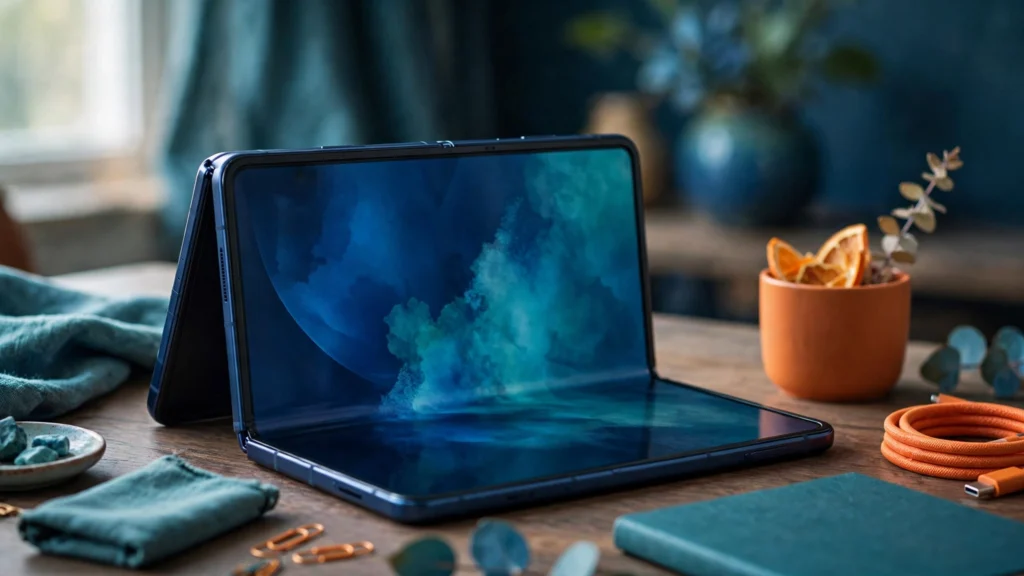
The biggest change is that foldables no longer feel like prototypes. Early models were noticeably thicker when folded, heavy in the pocket and awkward one-handed, while the current generation closes with almost no gap, sits flatter, and weighs much closer to a regular large phone. That matters more than any specification: a phone you carry every day has to feel comfortable first and clever second.
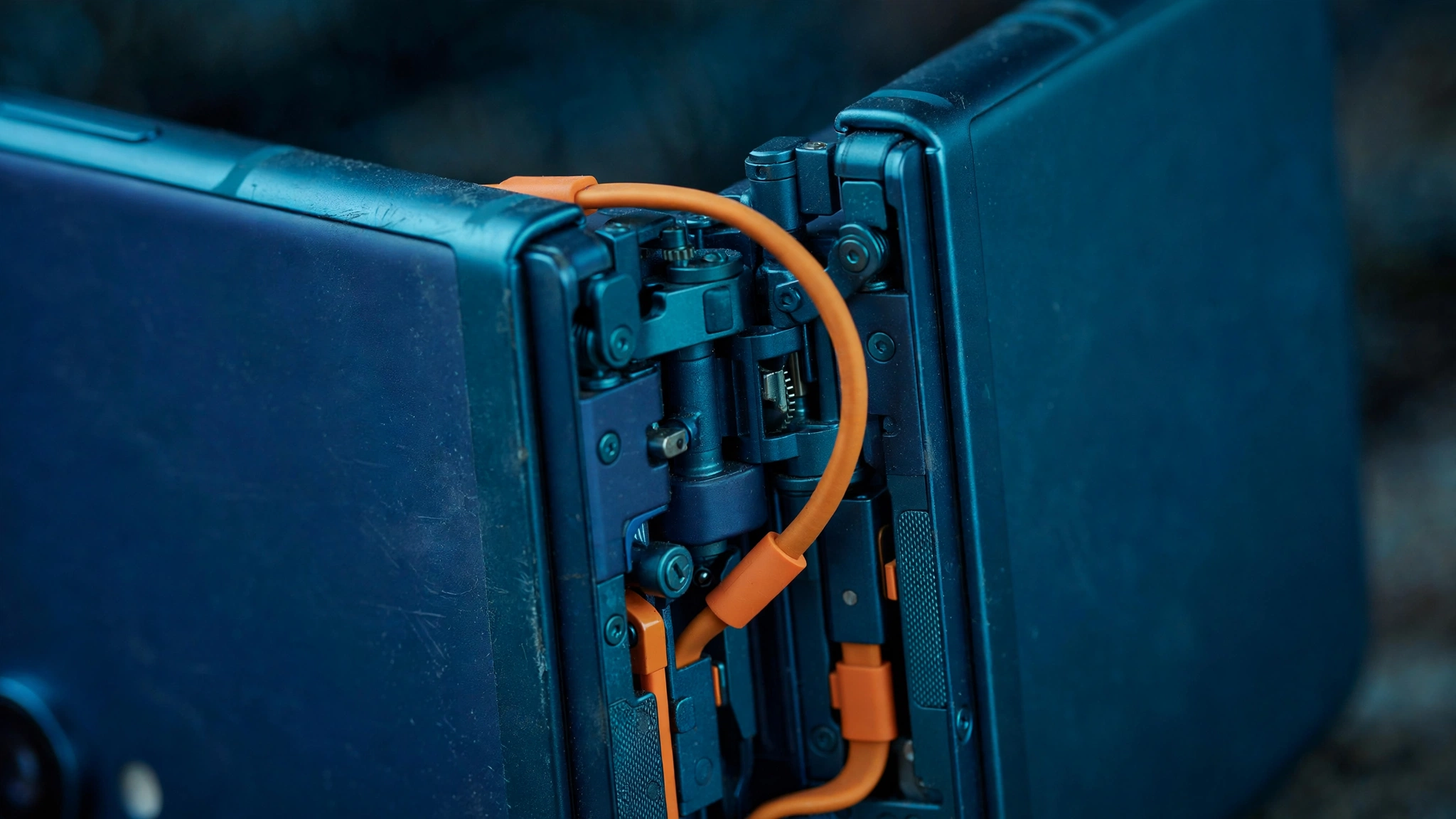
Hinges have improved too, with slimmer designs and fewer exposed moving parts, so folding feels smooth and controlled. The display layers are tougher, the protective top layer resists scratches better, and the crease has become shallower and less visible. Many recent foldables also carry a meaningful water-resistance rating, and software has caught up, with better multitasking and layouts that make real use of the larger display. A 2026 foldable is a realistic daily phone in a way the early models simply were not.
Book-Style vs Flip-Style: Which One Suits You?
There are two very different kinds of foldable on sale in 2026. Book-style foldables open like a small book, unfolding into a squarish tablet-sized display. Flip-style foldables fold in half vertically, like the classic clamshell phones of the past, shrinking a normal phone down to something pocket-sized.
A book-style foldable suits people who want a bigger screen without carrying a tablet: the unfolded display is genuinely useful for reading documents and ebooks, editing spreadsheets, watching video, and running two apps side by side, while the outer screen handles calls, messages and quick checks when folded shut. The trade-off is size and weight: even the slimmest models are heavier and thicker than a regular phone, and the squarish unfolded screen suits reading and multitasking more than cinema-style video.
A flip-style foldable is a different proposition. Folded, it is compact and pocket-friendly; opened, it is a normal-sized phone with a tall screen, for people who want a full phone that takes up less space. The cover screen now handles notifications, music controls and quick replies without opening the phone. But a flip foldable does not give you a bigger screen than a regular phone — it gives you the same screen in a smaller folded package — so if you want extra display space, look elsewhere.
The Crease, the Hinge and Everyday Durability
No honest guide can skip the crease: every foldable has one, because the screen has to bend somewhere, and in 2026 it is still visible under bright light or if you run a finger across the fold. What has changed is how much it matters: on recent models it is shallower, the screen sits flatter, and most people stop noticing it within a day or two of watching video, reading or working. It shows most on a plain light background and least on varied content. If it would bother you, try a foldable in a shop first and look at it from different angles.
The hinge deserves attention too: a mechanical component in a device that otherwise has no moving parts, opened and closed thousands of times. Modern hinges are built for a very large number of folds and feel solid, holding the phone open at different angles for hands-free calls or video. Even so, dust and grit can collect there, so keep the phone clean, avoid sandy pockets, and use a case that protects the hinge without interfering with the fold.
Durability is much better than the early days, but a foldable is still more delicate than a slab phone. The inner screen is softer than the hardened glass on a regular phone, so avoid pressing it with fingernails, keep keys and coins away, and only use a protector made for that model. Water resistance has improved a lot, but dust resistance still lags behind regular flagships, and no foldable is truly rugged. Treat it as a premium, precision device and it will last far longer.
Water resistance, dust and the repair reality
A phone that survives rain and splashes is not one you can take swimming, and water damage is usually excluded from warranties. Dust is the bigger everyday concern, as fine grit around the hinge can cause wear over time. Repairs still sting: replacing a folding inner screen costs considerably more than a regular screen, and you will usually need an authorised service centre. Before you buy, check the inner-screen repair cost, how long the manufacturer supports the model, and whether a service centre is within reach.
Battery Life, Cameras and the Trade-Offs
Battery life is a common worry, but the reality in 2026 is better than the reputation suggests. The larger unfolded screen uses more power, especially for multitasking or long video sessions, but bigger batteries and better power management mean most recent book-style foldables last a full day of mixed use. Flip-style models have smaller batteries, so their battery life is more modest — fine for a normal day, but heavy users may need an evening top-up. Charging has kept pace with regular flagships, and how you use the phone matters most: live on the outer screen and battery life is close to a normal phone, but live on the unfolded screen all day and you will charge sooner.
Cameras are where foldables still compromise: the best regular flagships have larger sensors, longer zoom lenses and more room for camera hardware, while foldables must fit theirs into a thinner, folding body. That does not mean foldable cameras are bad — in good light, a recent foldable takes excellent photos — but in low light or at long zoom, a top regular flagship will usually pull ahead. If photography is your top priority, a regular flagship is still the safer choice; if you want a very good camera plus a much bigger screen, a foldable is a fair trade. For a sense of how the processors inside these phones compare, our Snapdragon 8 Elite vs Apple A18 Pro comparison explains what the latest flagship chips mean for everyday performance.
The Big Screen Payoff: Multitasking, Reading and Media
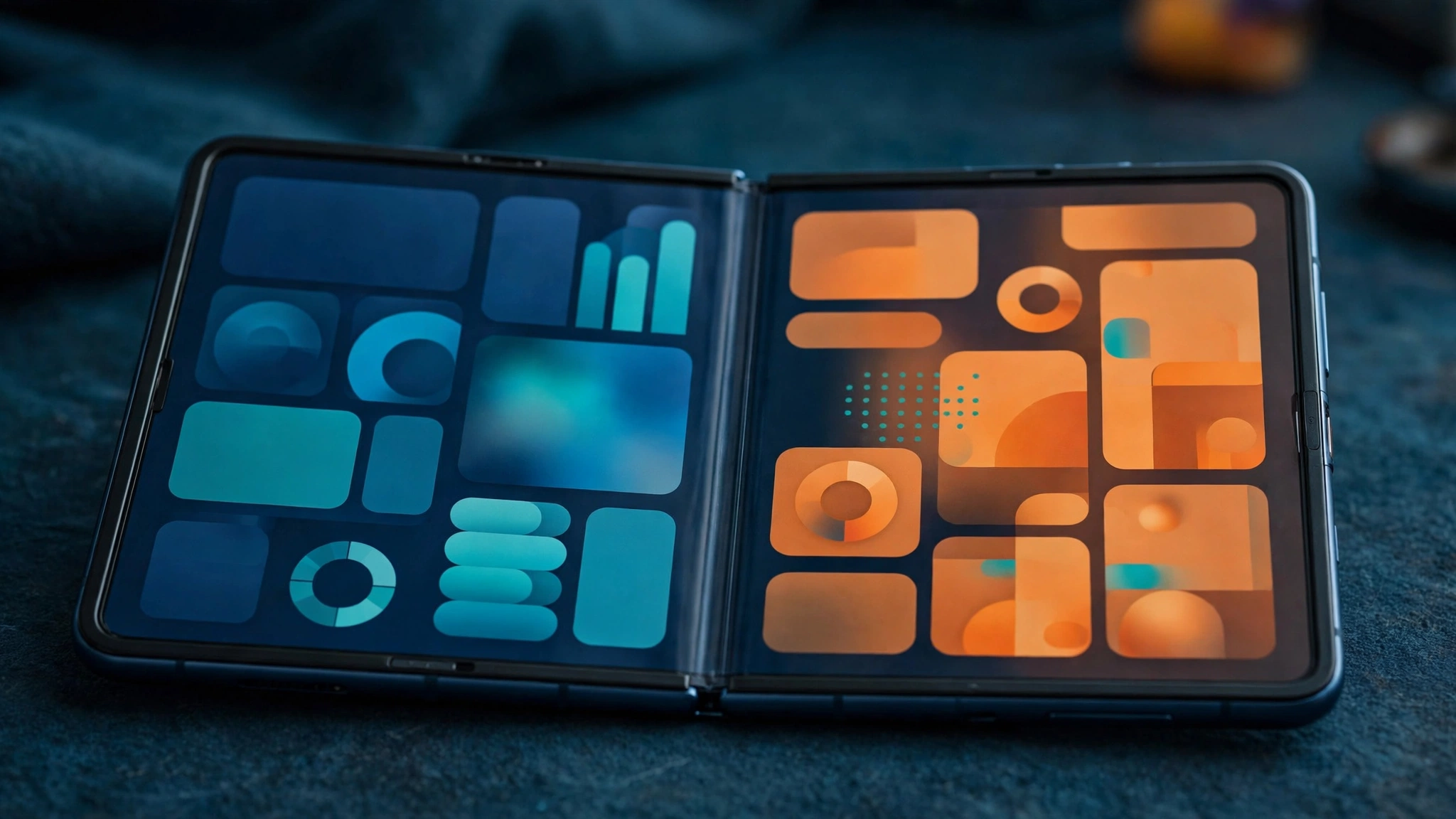
This is the reason to buy a foldable, so be honest about whether it matches how you use your phone. The big screen pays off most for people who do real work on theirs: answering emails while checking a calendar, comparing documents side by side, or editing a spreadsheet. Split-screen multitasking feels natural on a book-style foldable in a way it never does on a regular phone, where two squeezed apps are both too narrow. A foldable gives each app enough room to be genuinely usable, and features like dragging content between apps make the larger display feel purposeful rather than merely large.
Reading is the other quiet strength: ebooks, articles, PDFs and web pages are noticeably more comfortable on the wider display, with larger text and less scrolling — enough on its own to justify the bigger screen for students and commuters. Media is more mixed: video looks great, but the squarish shape means widescreen video still has black bars, so the picture is not as dramatically bigger as the screen suggests. The honest test is simple: if you regularly wish your phone screen were bigger while you work, read or juggle two things at once, a foldable will feel like a genuine upgrade. If you mainly scroll social media and send messages, the bigger screen will feel nice but not essential.
Software and App Support in 2026
Hardware is only half the story: a foldable lives or dies by its software, and 2026 models are far stronger than the early generation. Android now handles folding gracefully — apps continue smoothly when you open or close the phone, layouts adapt to the larger screen, and split-screen features are easier to reach. Manufacturers have added their own multitasking tools too, such as taskbars, app pairs, and desktop-style modes.
App support is much better than it used to be, but still not perfect: most popular apps now adapt well to the larger display. Some, however, still treat it as an oversized phone screen, stretching their layout instead of using the space intelligently, and a few older apps may look awkward or refuse to rotate. Before you buy, check that the apps you use every day behave well on the unfolded display, ideally on a demonstration unit in a shop.
Modern foldables also support the latest wireless standards. If you are weighing a wider upgrade alongside a new phone, our Wi-Fi 7 upgrade guide explains what the new standard offers and whether it is worth switching to, and the Wi-Fi 7 vs Wi-Fi 6E comparison sets out the practical differences for Android users. Software updates matter more for foldables, because the folding features keep improving through updates — look for a manufacturer promising several years of updates and delivering them on time.
Price and Value: What You Actually Get for the Premium
There is no getting around it: foldables still carry a premium price. Even the most affordable models cost noticeably more than a comparable regular flagship, and the top book-style foldables sit at the very top of the market. That premium buys the folding display, the hinge and the engineering behind them — and a larger screen when you need it. Whether it is good value depends on how much you will use the unfolded display. If the big screen becomes part of your daily routine, the premium can feel justified within weeks. If you mostly use the phone folded shut, you have paid a lot for a feature you rarely use, and a regular flagship would have given you a better camera, longer battery and a lower price.
Foldables also hold their value less well than regular flagships, as the technology is evolving quickly and buyers worry about a used folding screen. A year-old foldable can be a good bargain second-hand or refurbished — but buy it to use it, not to resell it. Trade-in deals, carrier offers and seasonal sales can bring the cost down considerably, and previous-generation models often drop in price when a new version arrives. Set a budget first, then compare the foldable against the best regular flagship at the same price. If the foldable wins on the things you actually do every day, buy it; if the regular phone wins, the foldable can wait another year.
What to check before you buy
A short checklist will save you from most regrets. First, try the phone in person: open and close it several times, check the crease in bright light, and see how it feels in your pocket and hand. Second, test the outer screen — you will use it far more than you expect. Third, check your daily apps on the unfolded display. Fourth, confirm the warranty, the inner-screen repair cost, and how long updates are promised. Fifth, check the return policy: a week of real use at home tells you far more than ten minutes in a shop. Finally, buy from an official or authorised retailer, and download apps only from the Google Play Store — never sideload modified software, a common route for malware.
Foldable vs Regular Flagship: Head-to-Head Comparison
| Feature | Book-style foldable | Flip-style foldable | Regular flagship |
|---|---|---|---|
| Main display | Large tablet-sized screen | Normal phone screen | Large phone screen |
| Folded size | Thick when shut | Compact, pocket-friendly | Slim, one solid piece |
| Multitasking | Excellent, two full apps | Like a regular phone | Good, but cramped |
| Reading | Best of the three | Same as a regular phone | Good |
| Camera quality | Very good, below the best | Good, some compromises | Best available |
| Battery life | Full day for most users | More modest | Usually the longest lasting |
| Durability | Improved, needs care | Improved, easy to protect | Toughest, best sealing |
| Repairs | Most expensive | Expensive | Cheapest, widely available |
| Price | Highest | Premium, above a flagship | Lower for the same performance |
The trade-off is clear: book-style wins on screen space and multitasking, flip-style wins on pocketability, and a regular flagship wins on camera quality, battery life, durability and price. None is the wrong choice — the right one matches how you actually spend your time. A regular flagship is still the sensible default, and a foldable is right when the bigger screen or smaller folded size solves a real problem in your daily routine.
Frequently Asked Questions
Are foldable phones worth buying in 2026?
For the right buyer, yes. If you regularly multitask, read long documents or want a tablet-sized screen in your pocket, a 2026 foldable is genuinely worth the premium — the hardware, durability and software have all improved enough for everyday use. If you mainly scroll, message and take photos, a regular flagship gives better value and a better camera for less money.
How long does a foldable phone last?
A modern foldable should last several years of normal use if you look after the folding screen and hinge. The hinge is built for a very large number of folds, and manufacturers now promise several years of software updates. The inner screen is the most delicate part, so a good case, careful handling and avoiding grit will do most for longevity.
Is the crease on a foldable phone still noticeable?
Yes, but it is much less visible than on early models. It shows most on plain light backgrounds and when light catches it at an angle, and least when you are watching video or reading varied content. Most owners stop noticing it within days, but if it would bother you, try the phone in a shop first.
Are foldable phones waterproof?
Most recent foldables handle rain, splashes and brief immersion, but they are not fully waterproof and dust resistance still lags behind regular flagships. Do not take one swimming, and remember water damage is usually excluded from the standard warranty even on water-resistant models.
Do foldable phones have worse cameras than regular flagships?
Usually, yes — slightly. The folding design leaves less room for large sensors and long zoom lenses, so in low light and at high zoom a top regular flagship will generally produce better photos. In good light, though, a recent foldable takes excellent photos, and the cover screen doubles as a selfie viewfinder.
The Verdict
Foldable phones in 2026 have finally grown up: thinner, lighter, tougher and better supported by software than the fragile novelties of a few years ago, with a crease that no longer dominates the experience. A book-style foldable is a genuinely useful tool for multitaskers and readers who want a bigger screen without a tablet, while a flip-style foldable is a neat, pocket-friendly phone for people who value compactness. Both are real, everyday phones now, not experiments.
That does not mean everyone should buy one: the premium price is still real, repairs are still expensive, the camera still trails the best flagships, and the folding screen still needs more care than hardened glass. If those trade-offs give you pause, a regular flagship remains the smarter, safer purchase.
The honest answer: foldables are worth buying in 2026 if the folding screen solves a problem you actually have. If you work, read or multitask on your phone every day, try one in a shop, use the checklist above, and buy from an official retailer with a solid warranty. If not, save your money, buy the best regular flagship you can afford, and revisit foldables in a year or two. For more honest takes on the phones and technology shaping Android, browse the Technology News section and keep up with the stories.